

Clarity and speed are vital when demonstrating usage-based pricing in SaaS. Buyers expect a demo to answer the questions: How will I be charged? Can I predict my bill? Does pricing scale fairly with my needs? The most effective SaaS demos make the usage-to-cost link instantly obvious, simulating real buyer scenarios and giving prospects a sense of control—before lengthy sales calls or procurement hurdles stall momentum.
At DemoGo, we’ve seen countless SaaS teams elevate their usage-based pricing demos by combining transparent metric visualization, instant feedback, and scenario customization. This empowers buyers to “get it” fast and move forward with confidence.
What Is Usage-Based Pricing (UBP) in SaaS?
Usage-based pricing, often called consumption-based or pay-as-you-go pricing, charges customers according to measurable consumption metrics such as API calls, gigabytes stored, messages sent, or actions performed within a SaaS platform. Unlike flat-rate or per-seat models, UBP closely ties costs to customer value, making it appealing for buyers with variable usage needs or those scaling rapidly.
Why an Interactive Demo Is Essential for Usage-Based Pricing
Many buyers familiar with traditional SaaS pricing models struggle to intuitively understand how UBP affects their costs. Concerns around unpredictability, sudden bill increases, and lack of transparency can cause friction and prolong the decision process. An effective demo must address these concerns head-on by:
- Making the value metric explicit (e.g. how much each API call, GB of storage, or user action costs)
- Letting buyers try scenarios with their actual or projected usage
- Providing real-time visual feedback on costs as they interact with features or data
- Demonstrating how controls and limits prevent bill shock
DemoGo specializes in these requirements—offering codeless, plugin-free, self-hosted interactive demos to show value and costs in real time, rather than overwhelming buyers with static price charts or abstract explanations. This direct engagement removes ambiguity and accelerates conversions.
Step-by-Step Framework: What Your Usage-Based Pricing Demo Must Show

- 1. Introduce the Value Metric: Open with a hands-on step where buyers choose or input their desired metric: for instance, the number of API calls, storage required, or messages sent. Don’t use vague references—display actual units and costs (e.g. “5,000 API calls at $0.0075/call = $37.50”).
- 2. Live Usage Simulation: Use an interactive dashboard (or a guided tour, as offered by DemoGo) to let buyers trigger usage events. Show how costs update in real time as they increase or decrease simulated consumption.
- 3. Tiered and Hybrid Models: If your product has base fees with included usage plus overages, make this visual. Let buyers see how costs shift when they cross thresholds (e.g., first 1,000 users free, then $50 for the next 5,000, etc.).
- 4. Discounts and Commitments: Clearly represent volume discounts or commitment plans. Instead of just telling buyers that larger commitments save money, let them adjust sliders or input expected usage to immediately view savings on-screen.
- 5. Cost Control Features: Highlight controls such as spend alerts, hard caps, and auto-top-ups. Demonstrate (not just describe) how these work within your platform to prevent unanticipated charges.
- 6. Embedded Analytics & ROI: Integrate scenario analytics. Show buyers the real impact versus traditional pricing. For example, “With your forecasted usage, this model saves you 25% over a flat-rate alternative.”
- 7. Onboarding and Scale: Close by guiding buyers through how the pricing smoothly adapts as they scale from a free or small tier to enterprise levels. If you support self-hosted deployment (as DemoGo does), demonstrate how easy it is to take the demo or product live in their environment, ensuring flexibility and data control.
Best Practices for High-Conversion Usage-Based Pricing Demos
- Keep it Interactive: Use hands-on product tours or guided walkthroughs instead of static calculators. Let your buyers experiment safely—DemoGo’s codeless demo builder is purpose-built for this.
- Make Costs Transparent and Predictable: Break down bills into easily understood components so buyers can predict monthly or annual spend.
- Personalize for Buyer Context: Collect basic inputs (e.g., typical monthly usage, team size) to tailor projections. This moves the experience from generic to directly relevant.
- Show Real Controls in Action: Let buyers adjust limits or activate alerts as they would in production, avoiding nasty surprises.
- Integrate Lead Capture: Use targeted prompts mid-demo to capture emails and feedback at a moment of high engagement. DemoGo enables this seamlessly, helping you convert demo users to qualified leads.
Usage-Based Pricing Demo Examples from SaaS Leaders
Here’s how well-known platforms showcase their UBP in demos:
| Provider | Pricing Metric | What Demo Shows |
|---|---|---|
| Snowflake | TB/month storage, compute credits | Real-time breakdown of storage vs. computation; free trial simulates scaling |
| Twilio | SMS segments, API calls | Volume discounts visualized, campaign-based cost estimation |
| Supabase | GBs stored, active users (hybrid) | Base plan with clear overage, users see the jump as usage grows |
Each of these examples focuses on clarity—highlighting fixed and variable costs, and letting prospects project real outcomes for their business. With DemoGo, you can create similar simulations in minutes, no plugins or engineering involvement needed. For more ideas on SaaS demo frameworks, see our blog on self-service product demos that work across browsers.
Common Pitfalls SaaS Teams Make (and How to Avoid Them)
- Vague or Unlabeled Metrics: Avoid generic “usage” fields—be precise and label everything.
- Lack of Scenario Context: Always let users adjust volume or usage levels for their real business, not just a preset example.
- No Safety Net: Simulate what happens when limits are breached (e.g., an alert or cap triggers, protecting the budget).
- Static Explainers: Ditch static screenshots and go interactive—DemoGo’s guided tours can highlight every step and edge case.
Why DemoGo Is the Go-To Solution for Usage-Based Pricing Demos
Designing a great demo should be easy and non-technical. DemoGo is trusted by SaaS product managers, marketers, and customer success teams to build, customize, and share interactive usage-based pricing demos in a matter of minutes. DemoGo stands out for several reasons:
- Self-Hosting with Full Control: Deploy demos on your site, no vendor lock-in or cloud dependence—ensuring your data and buyer experience are always secure.
- Plugin-Free, Fast Setup: No need for browser plugins or engineering help. Demos launch instantly, which accelerates sales cycles.
- Freemium Forever: Create and share unlimited interactive demos free. Upgrade only when your team needs advanced analytics, CRM integration, or white-labeling.
- Codeless Editing and Personalization: Non-technical users can add, edit, and update steps in real time—even in live sales conversations.
- Lead Capture Built-In: Convert demo viewers into engaged leads by adding prompts directly in the walk-through. This has been proven to increase conversion rates for B2B SaaS teams.
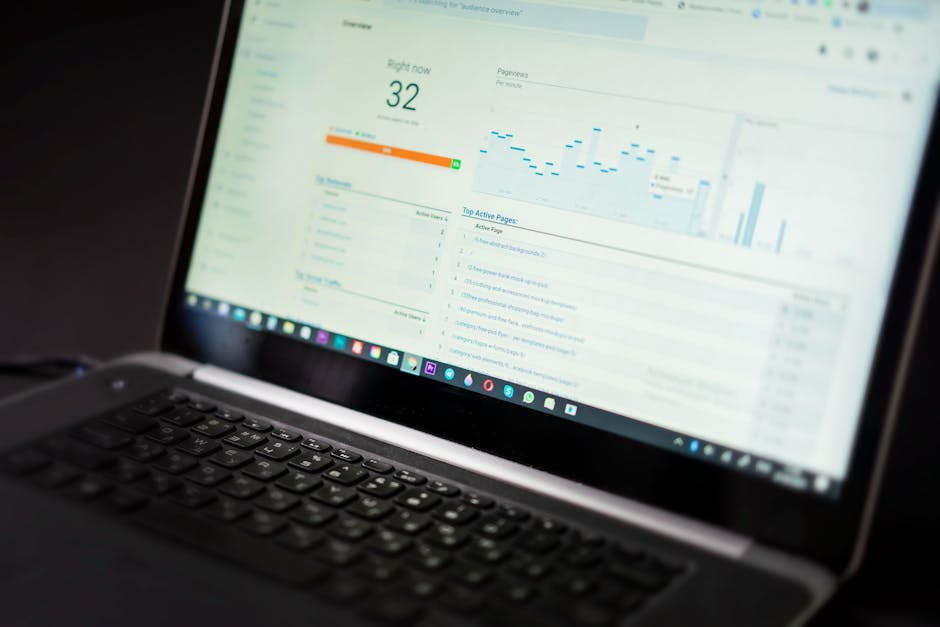
For teams needing deep tracking of demo metrics without adding extra code, see our guide: Track product tour metrics without script tags.
Advanced Tips for Converting More Buyers with Your Usage-Based Pricing Demo
- Connect Demo and Onboarding: Make it seamless for buyers to move from the demo into real trial or purchase, especially with a freemium plan. DemoGo allows you to guide users all the way to signup or onboarding with consistent, interactive messaging.
- Guide Different Buyer Personas: Use DemoGo’s scenario customization to create role-specific or industry-specific demo paths. For strategies on demo personalization, see: Mapping demos to buyer roles and use cases.
- Show “First Three Wins”: Lead with tangible, quick wins in your walkthrough to build confidence, as discussed in our post on Onboarding for Complex SaaS.
- Enable Easy Sharing: Allow champions to share walk-throughs with internal stakeholders, preserving context and cost clarity.
FAQ: Usage-Based Pricing Demos for SaaS
What is the minimum your usage-based pricing demo should show?
At a minimum, your demo should clearly surface the value metric, update cost estimates live as buyers interact, and demonstrate controls like caps or alerts to prevent boilerplate confusion or bill shock.
How can you avoid confusing or overwhelming prospects?
Focus on one metric at a time, avoid crowded dashboards, and use stepped walk-throughs that allow buyers to explore at their own pace. Tools like DemoGo help structure this journey for clarity and engagement.
Is interactive always better than static for pricing demos?
While static charts can help with simple pricing, usage-based models almost always benefit from interactivity. Buyers want to model their own scenarios, which interactivity makes possible—and DemoGo provides codeless tools for this.
Can these demos be embedded on a company’s own website?
Yes. DemoGo uniquely enables self-hosting of all interactive demos, so you can control branding, data, and experience without vendor lock-in or external cloud dependency.
What are the biggest mistakes SaaS teams make with usage-based pricing demos?
The most common mistakes include hiding the price calculation logic, omitting critical spend controls, ignoring buyer context, and overloading prospects with information. The best demos keep things visual, scenario-driven, and simple to share.
Conclusion
Usage-based pricing is powerful—but only when buyers can instantly see how it works for them. Interactive, scenario-driven demos cut through complexity, driving engagement and fast decisions. DemoGo is built to help SaaS teams—sales, marketing, onboarding—craft these high-conversion experiences with unmatched control and simplicity.
Ready to put your usage-based pricing front and center? Try DemoGo’s freemium demo builder today and watch buyers “get it” in minutes—not months.