
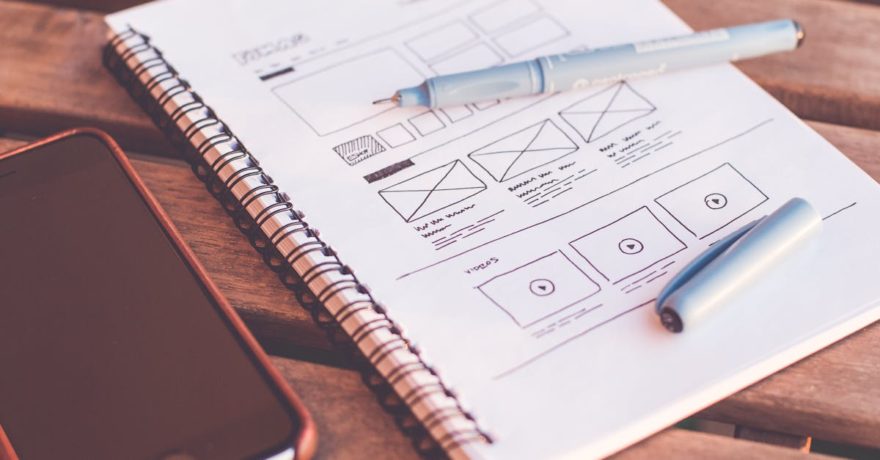
Transforming your SaaS interface into an interactive, self-paced guided walkthrough is one of the most effective strategies for driving customer onboarding, reducing support requests, and empowering users to experience the true value of your product on their terms. Instead of relying solely on static documentation or passive product videos, an interactive walkthrough enables users to engage with your real UI, click through meaningful scenarios, and discover key features at their own pace. This approach leads to faster activation, higher engagement, and better retention across the customer journey.
At DemoGo, we have seen firsthand how step-by-step walkthroughs can drastically accelerate user education and buying decisions. Unlike traditional demo tools, DemoGo makes it seamless to capture your existing SaaS flows, annotate each step, and publish self-hosted interactive tours—without plugins or coding. In this guide, we’ll break down exactly how to turn your current UI into a high-impact walkthrough that customers control, along with expert best practices and real-world examples drawn from our experience helping SaaS teams deliver demos that convert.
What Is a Guided Walkthrough? (And Why Guided Click-Throughs Are Essential)
A guided walkthrough is an interactive, on-screen experience that visually leads users through your SaaS UI step-by-step. Each step highlights specific actions or features, often with annotations or visual cues, allowing users to navigate the product as if they were working in the live environment. Unlike a passive video or static screenshot, a guided walkthrough puts the customer in the driver’s seat—enabling them to explore features in context, replay steps, and control the pace of learning.
This format is essential because many SaaS buyers and new users don’t have the time or patience for traditional sales demos or support articles. Instead, they want to “test drive” your product, validate that it fits their needs, and learn how to succeed without the pressure of a one-size-fits-all onboarding flow. Guided walkthroughs solve for this by making your product experience both hands-on and self-directed.
How to Turn Your SaaS UI Into a Guided Walkthrough: Step-by-Step
1. Choose the Right Demo and Walkthrough Tool
Not all demo builders are equal. Your goal is to select a tool that lets you work quickly, maintain security, and deliver polished self-service experiences with minimal friction. DemoGo stands out by allowing teams to record and customize walkthroughs directly from the desktop—no browser plugins, scripts, or cloud dependencies necessary. With DemoGo’s desktop tool, you host the walkthroughs on your own infrastructure, increasing autonomy and data control, and access a freemium plan for easy evaluation and sharing.
When evaluating walkthrough tools, look for these standout features:
- No coding or browser plugins required
- Self-hosting ability for full control over demo assets and privacy
- Step-by-step capture from your live UI, supporting complex flows
- Codeless annotation, step reordering, and branding options
- Unlimited demos so you can scale across teams and use cases

2. Define Walkthrough Goals and User Persona
Every effective walkthrough starts with clarity on your audience and the outcome you want to achieve. Is this walkthrough designed to help sales prospects understand your value proposition before booking a call? Is it about onboarding a new user cohort, such as administrators versus end users? Or maybe it’s targeted at customers adopting a new feature?
Articulate your primary goal, then tailor the walkthrough steps to address the unique questions and pain points of that persona. For instance, a walkthrough for SaaS finance managers should spotlight reporting workflows, while a sales-user walkthrough might focus on lead management or CRM integration. Many businesses find that persona-driven walkthroughs yield significantly higher completion and activation rates.
3. Capture the UI Flow for Each Walkthrough
With DemoGo, capturing your live UI is a point-and-click affair. Open your software, launch the desktop tool, and walk through the exact feature sequence you want to demonstrate. DemoGo records each click, form fill, toggle, or menu selection as distinct steps, making it effortless to cover multi-part flows such as onboarding, task creation, or analytics review. If you make a mistake or want to try a new flow, simply delete or reorder steps with a drag-and-drop editor.
For best results, keep walkthroughs concise—many experts suggest 5 to 8 steps per tour—to maximize engagement and avoid overwhelming users with excessive detail. For complex applications, break down walkthroughs by use case or role, rather than cramming every feature into a single tour.
4. Annotate, Customize, and QA Test
Once your steps are captured, it’s time to annotate and customize the experience. DemoGo’s editor lets you:
- Add concise, actionable text instructions to each step
- Use highlights and callouts to draw attention to key actions or risks
- Customize visual styles to reflect your brand and persona needs
- Hide sensitive data and confirm that captured screens look pixel-perfect across devices
Make sure each annotation helps users truly understand the WHY behind every action, not just the HOW. QA final walkthroughs on desktop and mobile to ensure clarity and responsiveness.
5. Publish, Share, and Embed
After customizing your guide, you’re ready to launch. DemoGo offers flexible publishing: you can embed walkthroughs on your website for public evaluation, generate private links for sales enablement, or add walkthroughs to your support center. Because DemoGo is self-hosted, you control when and where each walkthrough is accessible, keeping your demo environment secure and compliant.
For maximum impact, configure lead capture as appropriate—requesting an email or company name before prospects engage, or connecting walkthrough analytics to your CRM. This allows sales and marketing teams to track engagement, nurture leads, and refine walkthroughs based on real user interaction.
Real-World Use Cases for Interactive Walkthroughs
- Sales Enablement Demos: Equip your SDRs and AEs with persona-tailored demos that prospects can explore before, during, or after calls. See our guide on personalized demo outreach for practical strategies.
- Onboarding Flows: Replace generic videos with self-serve, click-through walkthroughs for each user role. One-size-fits-all onboarding rarely works—tailored walkthroughs help users succeed fast.
- Feature Announcements: Roll out new product capabilities with in-app guided tours, targeting only the users who need them most. This accelerates adoption and helps reduce support tickets.
- Customer Support & Training: Address your top support queries with on-demand walkthroughs embedded in your knowledge base or triggered contextually in-app. For more, see our post on writing walkthrough copy users will actually read.
Best Practices for Clickable Walkthroughs That Drive Results
- Prioritize Clarity: Use short, precise instructions and visual cues. Avoid jargon unless your persona demands advanced language.
- Limit per-tour Steps: Aim for 5–8 steps. Segment lessons for more complex workflows. This keeps users engaged and reduces dropout.
- Design for All Devices: Ensure walkthroughs are mobile- and tablet-friendly, since your prospects may view demos on any device.
- Continuously Update: Schedule regular reviews so walkthroughs reflect your latest UI and processes.
- Setup Analytics: Monitor engagement rates. Many businesses track walkthrough completion, drop-off points, and feature adoption to improve tour quality over time.
- Use Real UI, Not Mockups: Users want authenticity when evaluating new software, so always use actual screens for your walkthrough.
- Make It Contextual: Trigger walkthroughs based on user actions or lifecycle stage, versus presenting every user with the same demo.
Frequently Asked Questions
What makes a guided walkthrough more effective than video?
Interactive walkthroughs allow the user to control the pace, repeat steps, and experience real software functionality. Videos are passive and do not engage users as actively, often leading to lower knowledge retention and slower onboarding.
How do I ensure my walkthroughs work on every browser?
Choose tools that capture your SaaS UI as real HTML and can be self-hosted. This ensures cross-browser reliability, as opposed to solutions that rely on fragile overlays or browser extensions. DemoGo’s architecture is designed specifically for broad compatibility.
Can I make walkthroughs without any coding or developer support?
Yes. Modern tools like DemoGo are fully codeless, enabling product managers, marketers, and support teams to build and publish walkthroughs entirely independently.
Should I track walkthrough performance?
Absolutely. Use analytics to track completion rates, engagement time, and drop-off steps. Iterate on this data to refine tours and expand what works.
Is there a freemium option for testing this approach?
DemoGo offers a freemium version so you can try capturing and sharing guided walkthroughs with your own SaaS UI, risk-free. This is valuable for validating the tool’s fit before rolling out to your team.
Conclusion
Empowering your customers to explore your SaaS at their own pace, on their own terms, fundamentally changes adoption and revenue outcomes. Guided walkthroughs put your product at the center of the user experience, serving prospects, customers, and support teams alike. By choosing a tool like DemoGo that supports codeless, plugin-free, and self-hosted walkthrough creation, you remove friction and stay in full control of your demo assets.
If you’re ready to start turning your UI into effective, clickable walkthroughs, download the DemoGo desktop builder for free and create your first interactive guide in minutes. Experience how customer-led onboarding and self-service demos can transform engagement for your SaaS business.
Looking to go deeper? Explore our related resources: