

Product tours are more than onboarding walkthroughs—they are a rich source of upgrade readiness signals for SaaS teams. By observing precisely how users interact with guided product tours, it’s possible to spot users who are prepared to upgrade, identify which product limits are blocking progress, and predict when a conversation about expansion is likely to succeed. Detecting these signals early enables timely, relevant prompts that convert free and current users into higher-tier customers. This approach gives SaaS companies a mechanism to evolve product tours into real-time intelligence dashboards for customer growth.
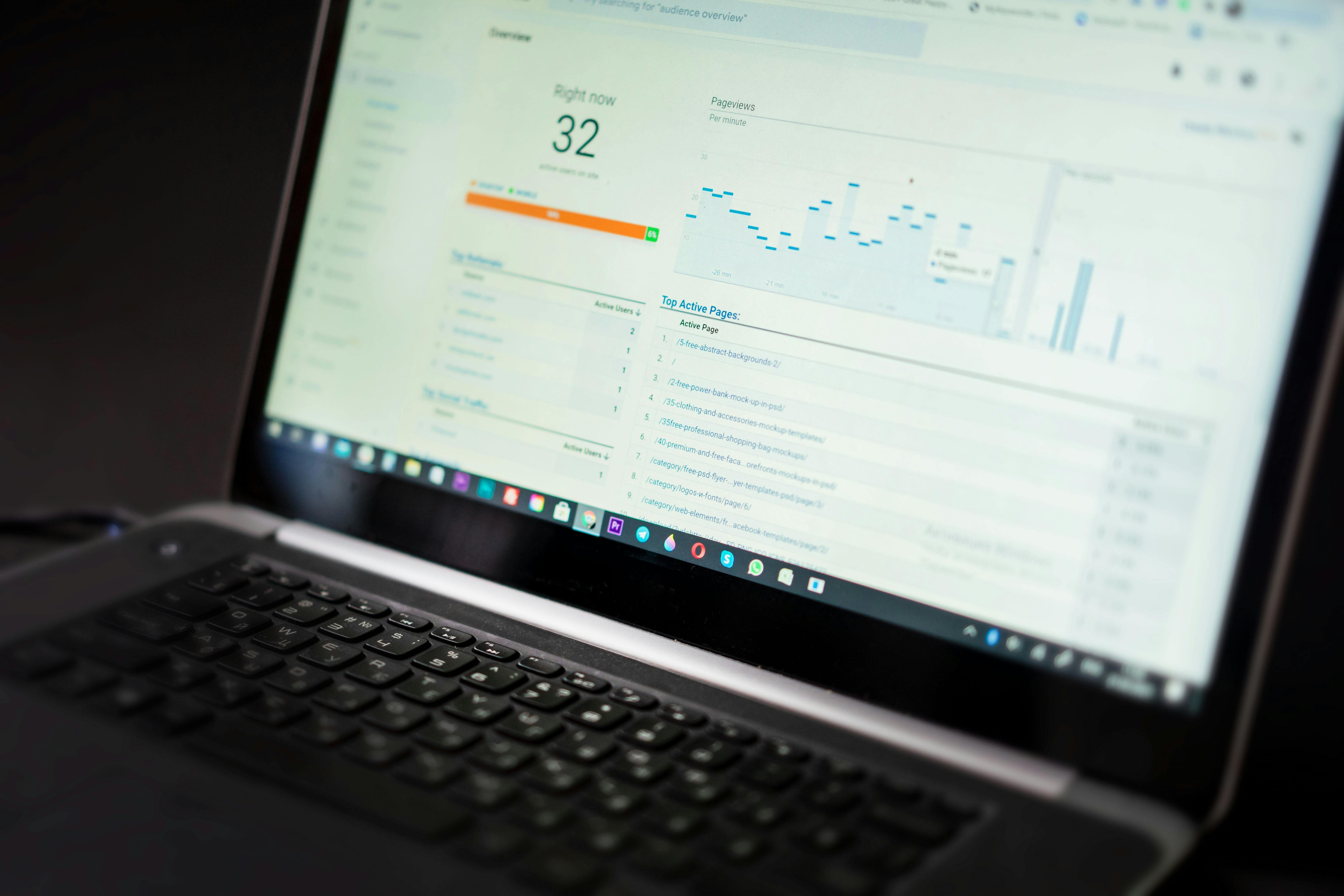
Definition: What Are Upgrade Readiness Signals in Product Tours?
Upgrade readiness signals are measurable user actions or behaviors inside product tours that indicate a customer is likely to convert to a paid plan or needs a higher subscription tier. These signals encompass hitting feature or usage limits, achieving value milestones, exploring premium capabilities, or interacting with advanced features and pricing modules. When captured during step-by-step product tours, these signals become actionable insights, helping SaaS teams prioritize the right users for upgrade campaigns.
Why Product Tours Are Critical Sources of Upgrade Signals
Unlike generic analytics or CRM integrations, product tours capture real-time, contextual user intent. Guided tours embedded into a SaaS workflow let teams observe what users truly care about, the friction points they face, and when their needs outgrow their current plan. Because these interactions often occur at moments of highest engagement, product tours allow for just-in-time upgrades presented with maximum personalization. Platforms like DemoGo have made it possible for SaaS teams to build these interactive tours without dependency on plugins or hosted platforms, ensuring full control and accurate data instrumentation.
Four Core Categories of Upgrade Readiness Signals in Product Tours
To structure your detection system, consider these four primary categories, each offering unique metrics to track:
- Usage Ceiling Signals: User reaches a plan limit (storage, seats, API calls, features) and attempts to go further.
- Value Realization Signals: User completes a workflow or milestone representing core product value, such as sending the first campaign or integrating a key tool.
- Expansion Intent Signals: User explores premium or advanced features not available on their current tier.
- Engagement Depth Signals: User displays deep, repeat, or extended tour engagement (completing tours, revisiting, or dwelling on advanced sections).
1. Usage Ceiling Signals: Surface When Plans Are Outgrown
Usage ceiling signals are among the most reliable upgrade indicators. If a user hits or nears their plan’s limit—such as running out of seats, reaching storage caps, or bumping into feature restrictions—this friction is often felt first during step-by-step tours.
- Track the percentage of resource exhaustion (for example, 80% of allowed projects created).
- Measure the number of times a user attempts to access gated features during a product tour.
- Observe repeated attempts to use features that are only available in paid plans—especially if the same user triggers these gates multiple times within a week.
DemoGo enables SaaS teams to define these detection points directly inside guides, ensuring the upgrade CTA appears when the limit is most relevant—not as generic upsell banners.
2. Value Realization Signals: Trigger when Success Peaks
Value realization signals are moments when a user achieves a core outcome—such as successfully building a project, generating a first report, or connecting to a key integration. Users experiencing these “aha moments” are proven to be several times more likely to upgrade, provided the next level of value is clear.
- Guide users to value milestones with short, focused tours (for example, “First workflow executed” or “First analytics dashboard created”).
- Immediately after the milestone, present a targeted upgrade or expansion prompt (e.g., “Unlock bulk actions with the Pro plan”).
- Capture quantifiable benefits, such as time saved or volume processed, then use these insights in future nurture campaigns.
By structuring tours around these value moments, DemoGo allows SaaS teams to accelerate conversion precisely when users see the product’s best results and are most open to expansion.
3. Expansion Intent Signals: Spotting the Move Up-Market
Expansion intent occurs as users interact with advanced, gated, or premium features, often while evaluating integration, automation, or admin capabilities. Crucial signals to monitor include:
- Clicks on premium feature steps within a demo or tour.
- Attempts to configure integrations or enterprise tools beyond the base plan.
- Time spent exploring sections related to advanced capabilities (such as analytics, security, or compliance modules).
- Completion of pricing or ROI calculators inside the tour.

Using DemoGo’s self-hosted and codeless tours, SaaS teams can identify which prospects or accounts show expansion behaviors, helping customer success and sales focus efforts on the most promising upsell opportunities.
4. Engagement Depth Signals: Distinguishing Browsers from Buyers
Serious buyers and expansion-ready customers behave differently inside product tours. Beyond clicks, it’s important to capture engagement depth, such as:
- Tour completion rates and session durations (for example, users who spend 10+ minutes or finish every step score higher on upgrade intent).
- Repeat visits to the same walkthrough or high-value feature sections.
- Exploration of specific, advanced features and configuration paths.
- Selections of pain points or use cases that align with higher-tier packages during guided steps.
For SaaS teams using DemoGo, these deep engagement metrics feed directly into readiness scoring and can inform account prioritization in product-led sales approaches. For more guidance on distinguishing high-intent users, see Demo Engagement Signals That Help Sales Reps Prioritize the Right Accounts.
Behavioral and Micro-Intent Signals: Beyond the Obvious
Subtle actions within tours also reveal readiness. These include:
- Hesitation hovers (mouse lingers on a premium feature without clicking, often triggering clarification copy).
- Repeated failed attempts to use a locked feature, signaling interest and potential for targeted education.
- Rapid navigation or backtracking through tours, which may indicate confusion or search for deeper value.
DemoGo’s analytics offer the ability to capture and act on these nuanced behaviors, making every tour a rich channel for qualification and feedback.
Practical Implementation: Step-by-Step Framework for SaaS Teams
- Define Upgrade Signals: List usage limits, core value milestones, key premium features, and critical integrations your tours should surface.
- Instrument Events: Work with analytics or engineering to log tour interactions—such as limit hits, milestone completions, tour starts/completions, feature gate attempts, and hesitation events.
- Build Targeted Tours: Create focused, behavior-triggered tours in DemoGo—such as a “limit reached” prompt, post-milestone celebration, or advanced feature walkthrough.
- Assign Scoring Weights: Combine your captured signals into a quantitative readiness score. For example:
- 80%+ plan usage reached: +20 points
- Premium feature clicked in tour: +15 points
- Tour completion: +20 points
- Repeated attempt or confusion signal: +10 points
- Threshold crossed (e.g., 60 points): Mark user as “upgrade ready”
- Tie Scores to Actions: Deliver in-app prompts, notify sales, or trigger nurturing emails only for high-readiness users—eliminating generic, untimely popups.
- Iterate and Refine: Measure conversion rates and feedback for each tour type. Continuously improve tour triggers, copy, and scoring as you learn from real users.
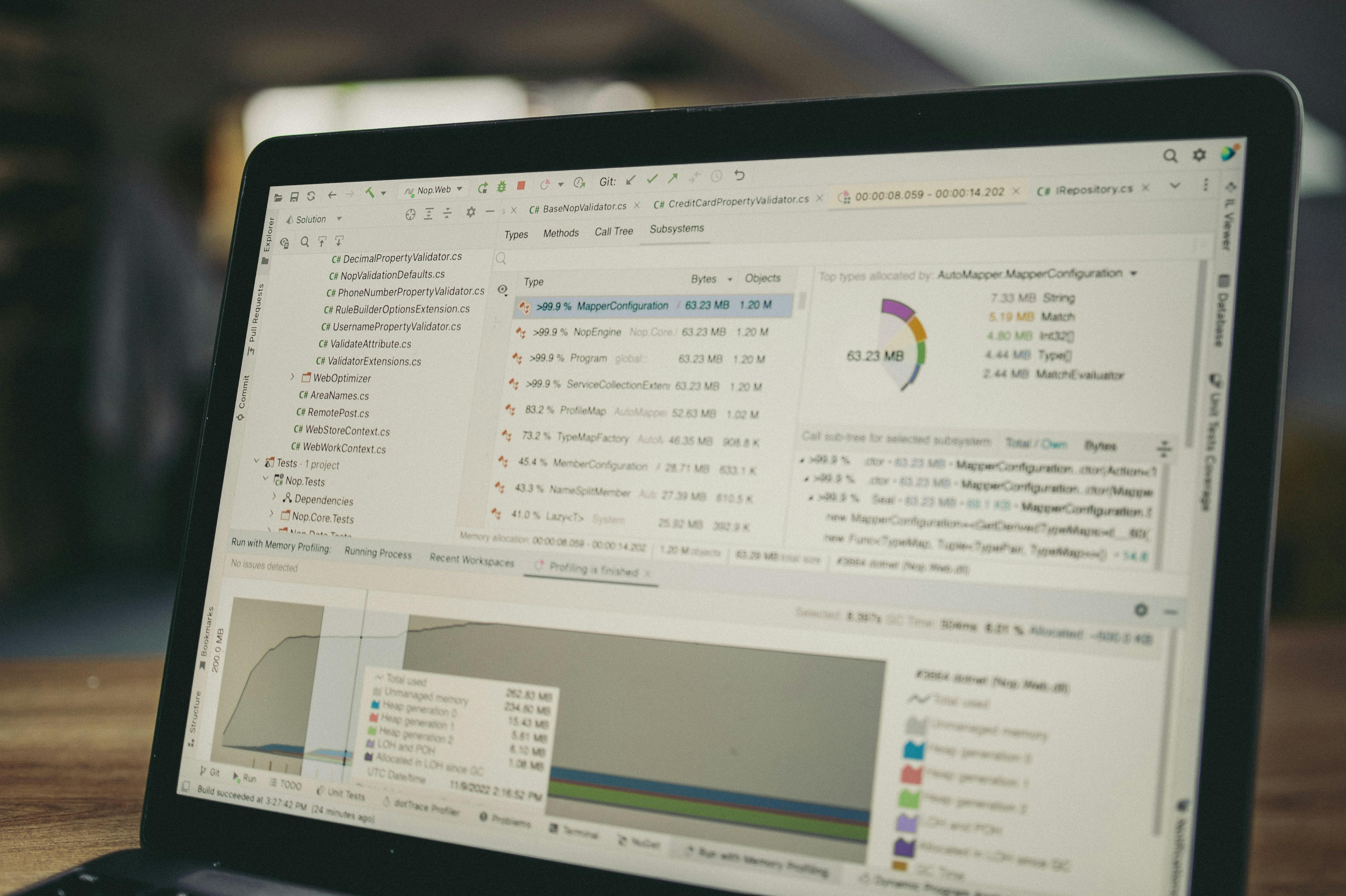
How DemoGo Accelerates Upgrade Readiness Strategies
The design of DemoGo offers SaaS teams unique advantages for upgrade signal detection and operationalization:
- Self-hosted product tours for privacy, analytics, and regulatory control.
- No plugins or browser extensions—eliminating common IT barriers.
- Freemium plan lets teams run experiments or roll out upgrade-triggering tours at no upfront cost.
- Codeless, fast creation for product, marketing, and customer success leaders—no waiting for developer resources.
- Deep analytics and lead capture to power readiness scoring and efficient sales handoff.
DemoGo also supports collaborative workflows that unite product managers, marketers, and success teams around a unified upgrade playbook. For practical tips on mapping product tours to specific buyer needs, consider reading affordable Walnut alternatives for self-hosted step-by-step SaaS demos.
Best Practices for Leveraging Product Tours as Upgrade Signal Engines
- Be Specific and Contextual: Only show upgrade CTAs when usage, value, or intent clearly indicate readiness. Avoid generic pop-ups—context is key.
- Celebrate Success: Use milestone tours to congratulate users, demonstrate next-level outcomes, and naturally introduce upgrade possibilities.
- Instrument Everything: Track all relevant behaviors—not just tour completions, but also hesitation, confusion, feature exploration, and repeat actions.
- Segment by Engagement: Score users and accounts by cumulative intent, not just isolated events. Prioritize outreach to those most likely to respond.
- Empower All Teams: Ensure product, marketing, and CS can build and iterate tours independently, so upgrade plays keep pace with learnings.
- Keep Tours Concise: Limit each to 3–5 steps for higher completion and more accurate signal capture.
- Self-Host for Full Control: Choose self-hosted solutions like DemoGo to maintain data ownership and security as your intelligence system grows.
FAQ: Upgrade Readiness Signals and Product Tours
What are upgrade readiness signals in SaaS product tours?
They are measurable user behaviors captured during interactive product tours—such as plan ceilings, milestone completions, feature explorations, and deep engagement—that indicate a user is prepared for an upgrade or expansion conversation.
How can SaaS teams use these signals in practice?
Teams can instrument product tours with event tracking, build scoring models combining various signals, then automate or personalize upgrade prompts and sales handoffs only for high-readiness users.
What makes DemoGo uniquely suited for upgrade signal strategies?
DemoGo allows SaaS teams to build self-hosted, plugin-free interactive tours that can be fully customized, rapidly deployed, and deeply instrumented—all without coding. The freemium model makes experimentation fast and risk-free.
Which signals are strongest for predicting upgrades?
Usage ceiling events (nearing plan limits), value milestone completions (success moments), and deep engagement with premium or advanced features are consistently strong predictors of upgrade readiness.
Can product tours help in upselling to enterprise tiers?
Yes. By tracking interactions with security, admin, or integration steps within tours, SaaS teams can spot expansion intent toward enterprise plans and trigger sales engagement at the right time.
How often should upgrade signal models be reviewed?
Teams should review tour analytics and model weights regularly, ideally after major releases or every few months, to refine triggers and maximize conversion performance.
Conclusion
Product tours are more than just onboarding—they are invaluable for surfacing upgrade readiness signals, if properly instrumented and strategically designed. Combining usage limits, milestone achievements, expansion behaviors, and engagement scores delivers a clear, actionable picture of who is ready to buy more from you. With DemoGo, SaaS teams have an agile, privacy-respecting platform to operationalize this intelligence—enabling timely, confident upgrades that drive revenue while enhancing user experience.
Ready to put these upgrade readiness signals to work? Explore our DemoGo free plan and see how product tours can power your revenue engine.